Emergency Plumbing Guide: What to Do First
A plumbing emergency is defined less by the problem than by the water: when water is spreading, when sewage is entering the home, or when a gas smell is present…
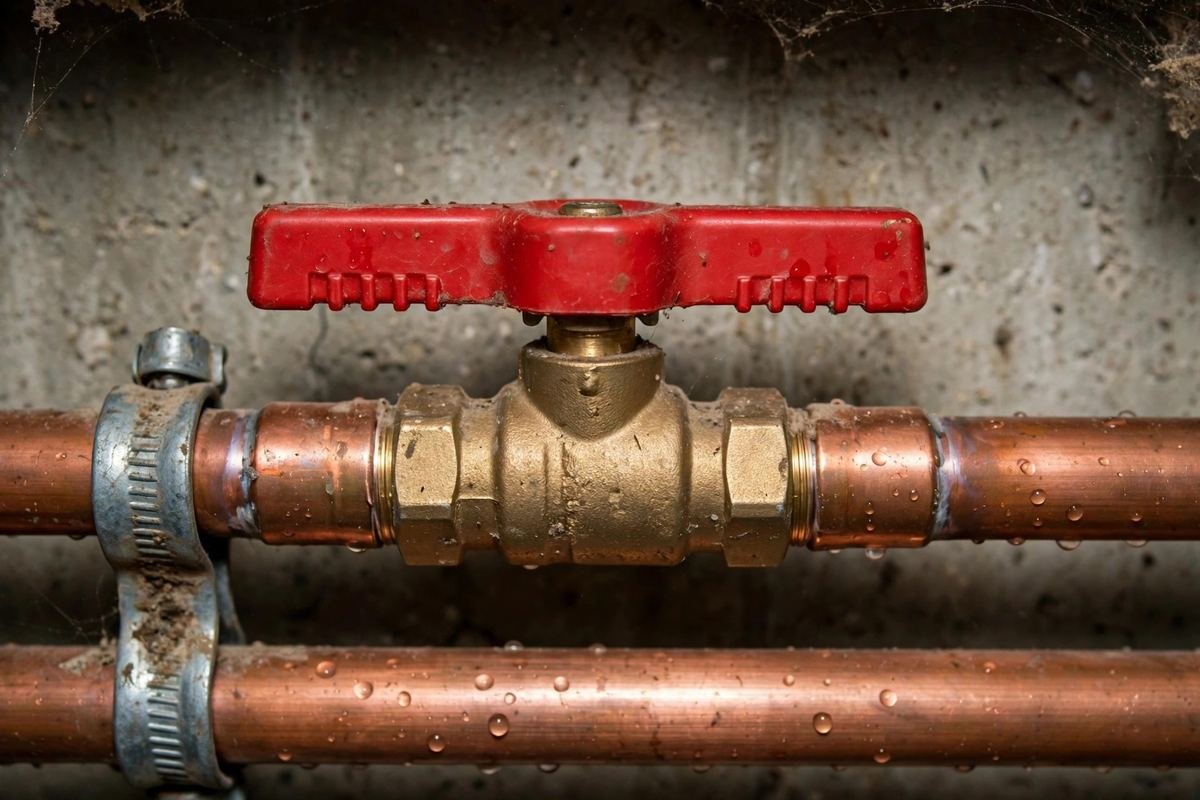
A plumbing emergency is defined less by the problem than by the water: when water is spreading, when sewage is entering the home, or when a gas smell is present, the first minutes matter more than the repair itself. This guide covers what to do in those minutes, and what not to do.
A major leak or burst pipe
- If you can reach a shut-off valve safely, turn the water off to the affected area, or to the whole home at the main.
- Keep clear of water near electrical outlets, switches, and appliances.
- Move rugs, electronics, and belongings out of the water's path once it is safe.
- Call to describe the situation: where the water is, how fast it is spreading, and what you have shut off.
An overflowing toilet
- Turn off the water at the toilet's shut-off valve, usually behind and below the tank.
- Do not keep flushing to test it — that adds water to an already full bowl.
- Mop up what you can safely, and note whether the problem is the toilet or a drain backup affecting several fixtures.
A serious drain or sewer backup
- Stop running water: every flush and tap adds to a line that cannot clear.
- Keep children and pets away from any sewage that has entered the home.
- Avoid chemical cleaners — they do not help a main-line problem and make later work less safe.
No hot water
- Note whether the loss is sudden or gradual, and whether it affects every tap or just one — that distinction shapes the diagnosis.
- Check the heater's breaker or pilot only if you can do so safely and confidently.
- Do not open gas controls or electrical panels on the heater yourself.
A suspected gas leak
- Leave the area immediately. Do not operate light switches, appliances, or phones inside the affected space.
- From a safe location outside, call emergency services or the gas utility.
- Do not attempt to find or repair a gas leak yourself, and do not re-enter until cleared.
What not to promise yourself
- Do not assume a problem will wait until morning — water damage grows by the hour.
- Do not use chemical drain cleaners on a serious blockage.
- Do not restore water to a split line to test it.
Frequently Asked Questions
Should I call immediately or wait until morning?
If water is spreading, sewage is entering the home, or gas is suspected, call promptly and describe the situation. Availability at any given moment is confirmed on the call; this site does not promise round-the-clock response.
What information helps most on an urgent call?
Where the water is, how fast it is spreading, which fixtures are affected, and what you have shut off. A photo helps if you can take one safely.
Is a gas smell a plumbing emergency?
Yes, and it is treated differently from a water problem: leave the area and call emergency services or the gas utility from outside. Do not operate switches or try to locate the leak yourself.
Talk Through Your Plumbing Problem
Describe the fixture, pipe, or drain that is giving trouble, and we will help you understand the next step.
Visit or Contact Us in Dedham
Providence Plumbing Services
300 Providence Hwy, Dedham, MA 02026, USA
(781) 243-5798 · Info@providenceplumbingservices.com