Sewer Backup Warning Signs
A sewer backup rarely arrives without warning. The line usually signals trouble first: several fixtures draining slowly at once, a tub that fills when a toil…
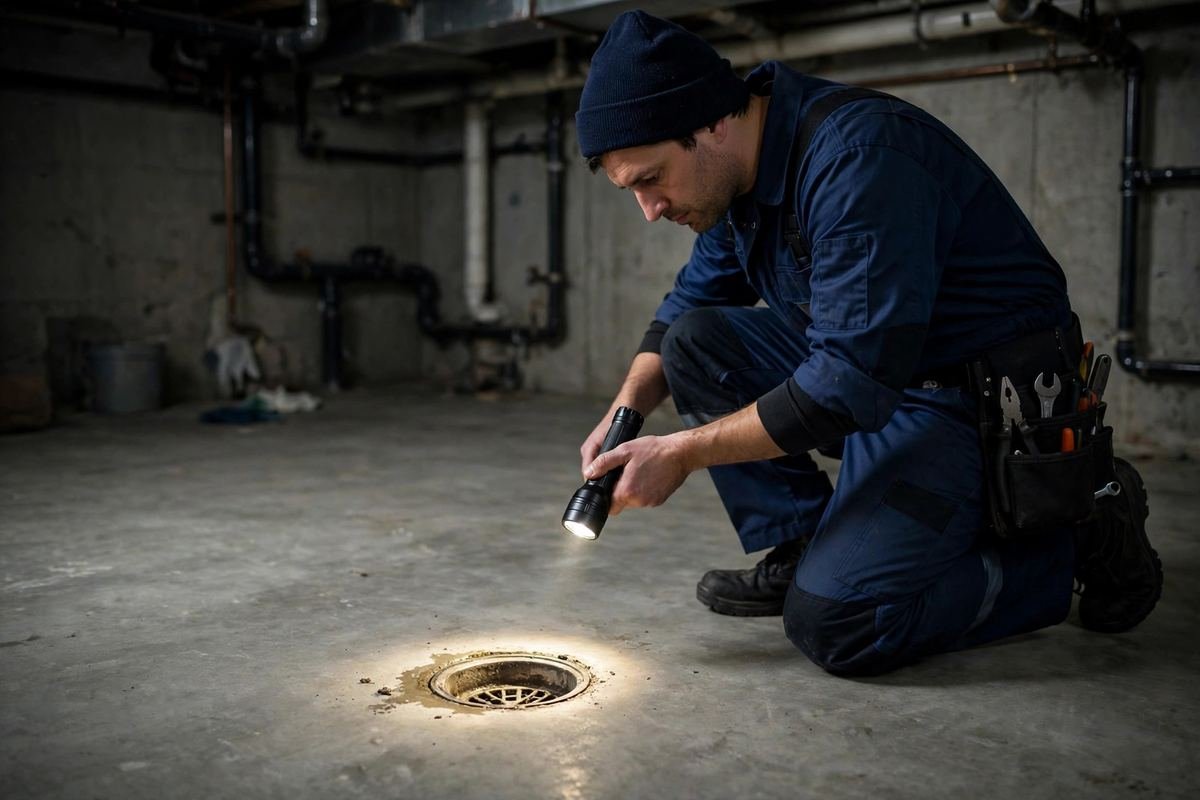
This page explains a common plumbing problem. It is general information, not a diagnosis of any specific home.
A sewer backup rarely arrives without warning. The line usually signals trouble first: several fixtures draining slowly at once, a tub that fills when a toilet flushes, gurgling from drains throughout the house, or a faint sewage odor that comes and goes. Those signs are the main line asking for attention before it fails completely.
Recognizing the pattern early matters because a full backup is far more disruptive — and more expensive to clean up — than the blockage that caused it. When several fixtures misbehave together, the shared line is the suspect, and it should not wait.
Common Causes
- A main-line blockage from roots, grease, or waste buildup
- A damaged or collapsed section of sewer pipe
- A line with poor slope where waste settles
- Heavy rain overwhelming a compromised line
- A shared line problem affecting neighboring properties
Safe Checks You Can Do First
- Watch for several fixtures slowing or backing up at the same time
- Note whether a tub fills or gurgles when a toilet flushes — that is a classic main-line sign
- Avoid running more water when a backup is suspected
- Keep children and pets away from any sewage that has entered the home
- Do not use chemical cleaners on a suspected main-line problem
When Professional Help Fits
If the checks do not resolve the problem, if water is spreading, if sewage is involved, or if gas is suspected, professional help fits now rather than later. For a suspected gas leak, leave the area and call emergency services or the gas utility from a safe location.
Frequently Asked Questions
What is the first sign of a sewer backup?
Usually several fixtures acting up together: slow drains in more than one room, gurgling across the house, or water appearing in a low fixture when another is used. A single slow drain is rarely a sewer problem.
Should I stop using water if I suspect a backup?
Yes, as much as possible. Every flush and every tap adds water to a line that cannot clear it, and the backup will worsen until the blockage is addressed.
Is a sewer backup dangerous?
Sewage carries bacteria and should be treated as a health hazard. Avoid contact, keep the area clear, and arrange professional help promptly rather than attempting cleanup yourself.
Related Pages
Talk Through Your Plumbing Problem
Describe the fixture, pipe, or drain that is giving trouble, and we will help you understand the next step.
Visit or Contact Us in Dedham
Providence Plumbing Services
300 Providence Hwy, Dedham, MA 02026, USA
(781) 243-5798 · Info@providenceplumbingservices.com